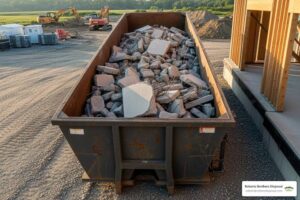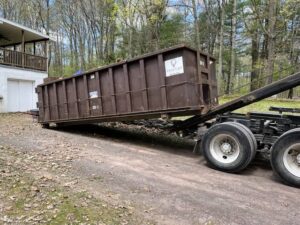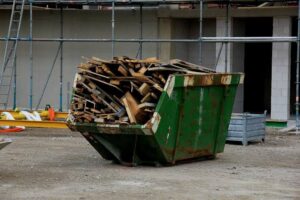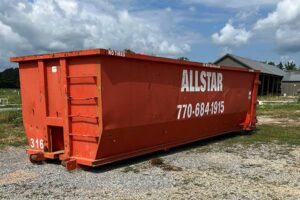
Data centers contain complex equipment, specialized infrastructure, and large amounts of electronic hardware. When a facility closes, relocates, or undergoes a major upgrade, removing outdated equipment becomes a detailed project that requires careful planning. Server racks, cooling equipment, cable systems, packaging, flooring, and other materials may need to be removed from the building. From my experience working around commercial property projects, I know that waste management becomes especially important when a renovation involves sensitive equipment and restricted materials. Dumpster services can support the cleanup process by providing a central collection point for suitable non-hazardous debris.
Organizing Waste Before Equipment Removal
A data center decommissioning project should begin with a complete inventory of the equipment and materials inside the facility. Server rooms may contain racks, cabinets, cable trays, raised floor panels, workstations, and cooling components. Storage rooms and maintenance areas may also contain packaging, spare parts, and outdated building fixtures.
I recommend separating reusable equipment from materials intended for disposal. Some servers, networking devices, and storage systems may retain value through resale, refurbishment, or approved reuse programs. Other items may need specialized electronic recycling rather than placement in a general dumpster.
This sorting process helps prevent valuable hardware from being mixed with ordinary renovation debris. It also gives the project manager a clearer understanding of how much waste the cleanup will actually generate. A detailed inventory makes it easier to coordinate different collection services.
Managing Server Racks and Heavy Infrastructure
Server racks and equipment cabinets can be difficult to remove because of their size, weight, and construction. Some units contain steel frames, removable panels, cable management systems, and mounting components. Before removal, technicians should disconnect equipment and confirm that the racks are no longer needed for the facility’s operations.
I recommend checking the weight and dimensions of large items before arranging a dumpster. Heavy metal components may need separate recycling, while oversized equipment may require special transportation. A standard roll-off container should only be used for materials that the rental provider accepts.
Raised flooring can create another source of renovation waste. Panels, supports, and damaged flooring materials may need to be removed in stages so that workers can maintain safe access around the building. Separating reusable components from damaged materials can reduce unnecessary disposal.
Protecting Sensitive Data During Decommissioning
Data security is one of the most important considerations when closing or upgrading a data center. Hard drives, solid-state drives, backup devices, and other storage media may contain confidential information. These devices should never be placed in an ordinary dumpster simply because the equipment is outdated.
I recommend following a documented data destruction process before any storage hardware leaves the facility. Depending on the organization’s requirements, this may involve certified data wiping, physical destruction, or another approved method. Records should be maintained to show how sensitive devices were handled.
Once data-bearing equipment has completed the approved process, it can be directed to an appropriate electronics recycling or recovery service. This keeps information security separate from ordinary construction waste management. A dumpster remains useful for acceptable packaging and building debris, but it should not replace specialized electronic waste handling.
Handling Cooling Systems and Building Materials
Data centers rely on cooling infrastructure to maintain suitable operating conditions for electronic equipment. During decommissioning, contractors may remove air handling units, ductwork, cooling cabinets, pipe sections, and related fixtures. These materials can include metal, plastic, insulation, and electrical components.
Some cooling equipment may contain refrigerants or other regulated substances. Qualified technicians should recover and manage these materials according to applicable requirements before equipment is dismantled or discarded. They should not be released or placed in a general waste container.
Building renovation can also produce drywall, ceiling tiles, metal framing, wood, and concrete debris. These materials may be suitable for a dumpster if they meet the provider’s acceptance rules. I recommend confirming the disposal categories before loading begins.
Choosing the Right Dumpster Arrangement
The required dumpster capacity depends on the size of the facility and the type of renovation work. A small server room upgrade may generate mostly packaging and limited construction debris. A full data center closure could involve multiple work areas and require several containers or scheduled exchanges.
I usually recommend estimating waste by category rather than treating every removed item as general debris. Metal frames, cardboard packaging, flooring, and demolition materials may have different weights and disposal requirements. This makes container selection more accurate.
Weight limits deserve special attention when handling dense construction materials. Concrete, metal, and other heavy debris can exceed the permitted load even when the dumpster still has available space. Discussing the estimated weight with the rental provider helps avoid overloading and additional fees.
Planning Access and Site Safety
Data centers often have controlled entrances, security systems, loading docks, and restricted service areas. A dumpster delivery truck may need to follow an approved route and arrive during a specific time window. I recommend coordinating these arrangements with facility management before scheduling delivery.
The container should be placed where contractors can load acceptable debris without blocking emergency exits, fire lanes, or essential service routes. Loading docks may also be needed for equipment removal, so the project manager should avoid creating conflicts between different transport activities.
Workers should use appropriate protective equipment when handling metal frames, raised floor panels, broken fixtures, and construction materials. Heavy components should be moved with suitable lifting equipment. Keeping debris away from electrical rooms and active infrastructure also helps maintain a safer worksite.
Coordinating Contractors and Waste Collection
Data center decommissioning often involves IT specialists, electricians, mechanical contractors, security personnel, and demolition teams. Each group may remove different materials, so clear responsibilities are important. I recommend assigning a project coordinator to manage the collection schedule and confirm which waste categories belong in each designated area.
The dumpster provider should receive information about the expected materials, site access, and rental duration. Managers should also confirm prohibited items, weight allowances, and pickup arrangements before work begins. These details reduce the risk of delays when the container is ready for collection.
For large projects, scheduled exchanges can keep the site clear as different stages are completed. This is especially useful when several teams work at the same time and the facility has limited outdoor storage space.
Controlling Costs During Facility Closure
Dumpster rental costs generally depend on container size, rental period, delivery location, waste category, and total weight. A project involving mainly cardboard and light packaging may have different costs from one containing substantial demolition debris. Specialized electronics recycling and hazardous material handling should be budgeted separately.
I recommend requesting a written estimate that clearly identifies delivery, pickup, rental days, weight limits, and possible overage charges. Managers should also ask whether the provider offers different container sizes or exchange arrangements. A clear estimate helps prevent unexpected expenses during a complex closure.
Keeping the rental schedule aligned with the decommissioning plan can also improve efficiency. Containers should arrive when the relevant work begins and leave once the accepted debris has been removed. This avoids paying for unused rental time.
Completing the Decommissioning Process
Once the approved waste has been collected, the project team can focus on final inspections and building preparation. Contractors can check floors, walls, cable openings, electrical spaces, loading areas, and mechanical rooms. Any remaining repairs or cleaning can then be completed before the facility is transferred, renovated, or repurposed.
I believe the best results come from treating data security, equipment recovery, and general waste removal as separate but coordinated parts of the project. Dumpster services provide a useful solution for suitable renovation debris, while specialized providers handle electronics and regulated materials.
With careful planning, appropriate containers, secure equipment handling, and clear contractor responsibilities, data center decommissioning can become more organized. A structured cleanup process helps protect sensitive information, manage physical waste, and prepare the building for its next stage of use.